The Perks of Installing Power-Saving Sliding Doors in Your House
Energy-efficient sliding doors serve as a practical solution for homeowners pursuing to enhance their living spaces. These doors not only fortify insulation but also support an surplus of natural light, which can enhance the ambiance of any room. Their modern design can amplify a home's curb appeal and market value. However, the benefits transcend aesthetics and comfort, necessitating a closer study of their overall consequences on home efficiency. What considerations should homeowners bear in mind?

How Sliding Doors Fix Power Consumption Problems?
Sliding doors, even though they are visually striking, play a significant role in enhancing energy efficiency within homes and commercial spaces. Their design facilitates for generous natural light, limiting the need for artificial lighting during the day. This natural illumination not only brightens interiors but also contributes to lower energy consumption.
Moreover, present-day patio doors are commonly supplied with cutting-edge weathersealing and excellent glass panels, which reduce drafts and air loss. This prevents drafts and facilitates sustaining a consistent indoor temperature, ultimately cutting energy bills.
Moreover, the large glass panels can be engineered to send back heat during the summer and hold warmth in the winter, further helping with energy reductions. By incorporating sliding doors into their architecture, homeowners and businesses can achieve a balance between aesthetics and environmental responsibility, resulting in a more efficient energy footprint while enriching the overall ambiance of their spaces.
The Method Sliding Doors Amplify Your Home's Climate Protection
While many dwelling owners place emphasis on design, the insulation benefits of sliding doors are comparably essential. Eco-friendly sliding doors are designed to lower heat transmission, successfully retaining homes warmer in winter and cooler in summer. They often feature frames with several chambers and insulated glass, which work together to reduce energy loss.
Furthermore, these doors often come equipped with draft-blocking materials that prevents drafts, even more boosting thermal performance. By establishing a firmer seal, sliding doors help maintaining a consistent indoor climate, reducing the dependence on heating and cooling systems. This not only view now produces enhanced comfort but also supports cheaper energy bills.
Furthermore, enhanced insulation can help reduce noise pollution from outside, producing a quieter home environment. Overall, the insulation properties of energy-saving sliding doors offer useful advantages that improve the home's energy performance while ensuring a cozy residential environment.
Why Natural Light Matters in Your Home?
Natural light serves as a crucial factor in improving the atmosphere and usability of a home. It establishes a welcoming environment, making spaces feel larger and more open. The amount of sunlight can also positively influence mood and well-being, resulting in a more uplifting space. Research indicates that time spent in sunlight can boost work performance and attention, rendering it especially advantageous for home offices.
Moreover, sunlight can cut energy consumption by minimizing the reliance on electric lights during the day. This not only cuts electricity bills but also minimizes the overall environmental impact. Also, homes bathed in natural light often seem more pleasing to the eye, effectively showcasing interior design elements. By integrating energy-efficient sliding doors, homeowners can optimize the amount of natural light while keeping energy efficiency, eventually increasing both comfort and visual appeal within their living spaces.
Increasing Curb Appeal By Installing Sliding Doors
Installing energy-efficient sliding doors can markedly enhance a home's visual appeal, as they integrate functionality with modern visual appeal. These doors constitute a prominent focal point, attracting attention and welcoming passersby to appreciate the home's visual presentation. Available in numerous design options, energy-efficient sliding doors can match different architectural features, from contemporary to traditional.
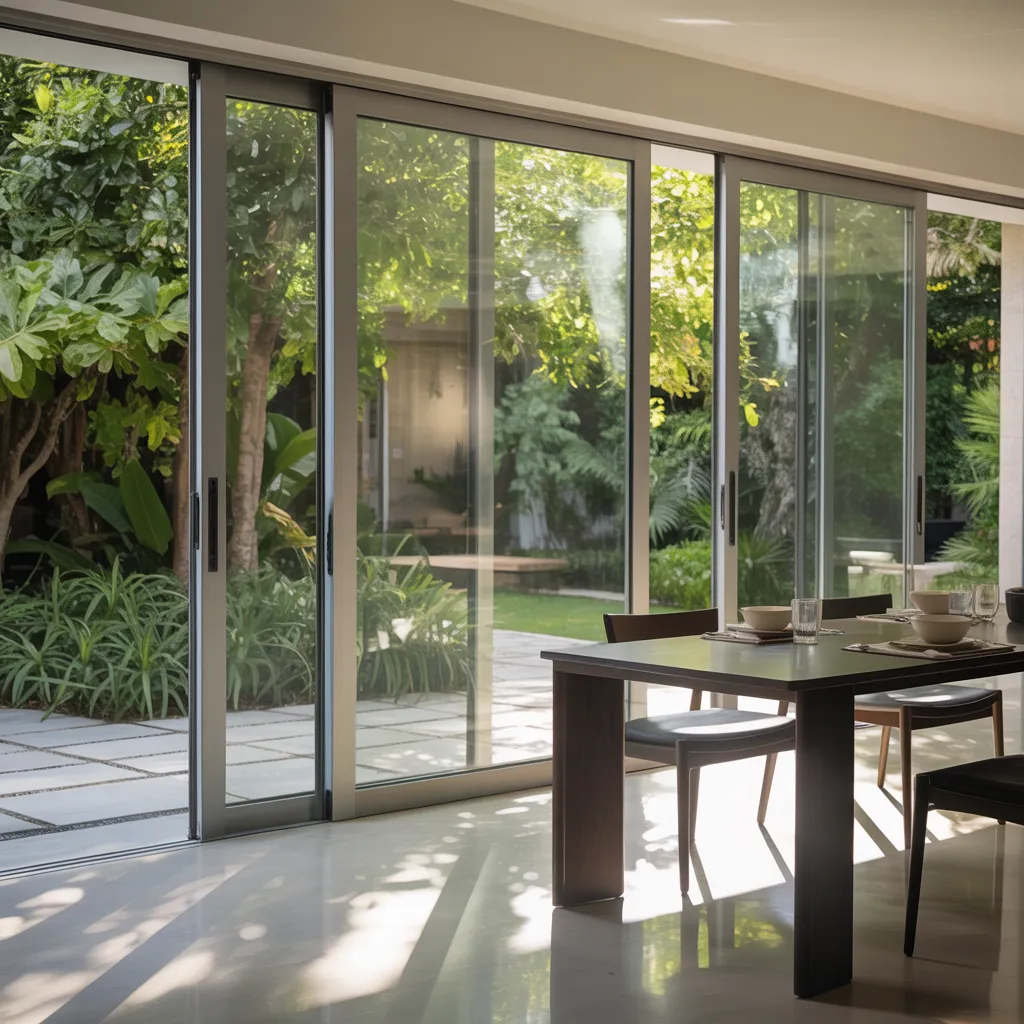
The broad glass panels allow natural light to saturate interior spaces, crafting an warm atmosphere that prolongs the living area outdoors. This seamless shift improves the home's overall appeal, rendering it feel larger and more open. Furthermore, homeowners can select options that express their personal style, solidifying their unique identity.
Furthermore, the sleek lines and minimalist design of sliding doors deliver a contemporary look, making the property more captivating to potential buyers. By investing in energy-efficient sliding doors, homeowners not only elevate aesthetics but also strengthen the property's investment potential and buyer appeal.
Picking Materials for Energy-Efficient Sliding Doors
Choosing the appropriate materials for energy-saving sliding door systems is crucial to enhancing their functionality and aesthetic appeal. Popular choices consist of vinyl, fiberglass, and wood, each providing unique advantages. Vinyl is known for its excellent insulation properties and low upkeep needs, making it a preferred choice. Fiberglass provides strength and resilience to warping, while also delivering strong energy conservation. Wood, though visually pleasing, often demands more upkeep and may require additional insulation to meet energy standards.
The choice of glass treatment also plays a vital factor. Double or triple-pane glass with Low-E treatments can greatly minimize heat transfer, enhancing energy efficiency. Furthermore, choosing frames with thermal breaks can further improve insulation. Ultimately, a careful evaluation of material options, paired with energy-efficient features, ensures that sliding doors not only improve the residence's aesthetic appeal but also contribute to reduced energy expenses and increased comfort.
Steps for Putting in Energy-Efficient Sliding Doors
Installing sliding doors that are eco-friendly demands careful planning and execution to guarantee peak performance and durability. The initial step involves measuring the existing door frame exactly to ensure a proper fit. The old door must be removed with caution to avoid damaging the surrounding structure. Once the space is ready, the new sliding door should be set into the frame. Confirming that the door is straight and plumb is vital; shims may be needed for adjustments. After the door is secured, insulating properly around the frame is key to prevent air leaks. Including weather stripping in the installation enhances energy efficiency. Lastly, check the door’s operation to confirm seamless sliding and secure locks. This organized approach not only boosts energy efficiency but also enhances the look and function of the home.
Key Techniques for Maintaining Sliding Doors
Proper assembly of energy-efficient sliding doors offers the foundation for their longevity, but ongoing servicing is comparably essential to confirm peak performance. Consistent scrubbing is vital; tracks should be freed of soil and obstructions to stop clogging and promise smooth working. Homeowners should check the weatherstripping periodically for any erosion or impairment, upgrading it as required to sustain energy efficiency.
Using a silicone spray to lubricate the rollers and tracks can enhance work and lessen wear. It is also advisable to check the doors’ positioning, as poor alignment may create gaps, which compromises energy efficiency. Additionally, inspecting the glass for cracks or chips will help avoid further damage and energy loss. By following these best practices, homeowners can prolong the life of their sliding doors while maximizing their energy-saving benefits. Routine maintenance enhances aesthetics and also contributes to overall home comfort.
Frequently Posed Questions
What Are the Average Costs of Energy-Saving Sliding Doors?
Typical expenses for energy-saving sliding doors commonly fall from $800 to $3,000, determined by materials, size, and installation. Property owners should reflect on ongoing cost benefits on energy bills when examining their investment in these doors.
In What Ways Do Sliding Doors Differ from Traditional Doors Regarding Energy Efficiency?
Sliding doors often supply excellent energy efficiency in contrast with traditional doors, mainly because of their advanced insulation and sealing technologies. This design decreases air leaks, boosting thermal performance and cutting heating and cooling costs in homes.
Can Existing Doors be Retrofitted to Achieve Better Energy Efficiency?
Upgrading current doors for better energy efficiency is feasible through weatherstripping, adding insulation, or installing energy-efficient glass. These enhancements can enhance insulation and decrease energy loss, making older doors more efficient without complete replacement.
Are Energy-Efficient Sliding Doors Eligible for Tax Incentives or Rebates?
Eligible energy-efficient sliding doors might receive tax credits or rebates, depending on local and federal programs. Homeowners should examine specific eligibility requirements and speak with tax professionals to enhance potential financial benefits.
What Coverage Options Do Energy-Efficient Sliding Doors Offer?
Multiple coverage options for energy-efficient sliding doors comprise manufacturer guarantees, which typically protect defects for 10-20 years, and lifetime protection plans that may cover specific components. Property owners should examine terms to ensure adequate protection against possible issues.